The following case study, written by Sport for Confidence Occupational Therapist and Co-Lead for our National Space, Liz Fletcher, was recently featured on the Royal College of Occupational Therapists website :
The sport and leisure sector have an increasing role in reducing health inequalities and this creates workforce opportunities for Occupational Therapists.
Background information:
Much of the conversation about the occupational therapy workforce focuses on health and social care settings. At Sport for Confidence, a large part of the learning has come from working instead with the leisure and sport sector to create social transformation.
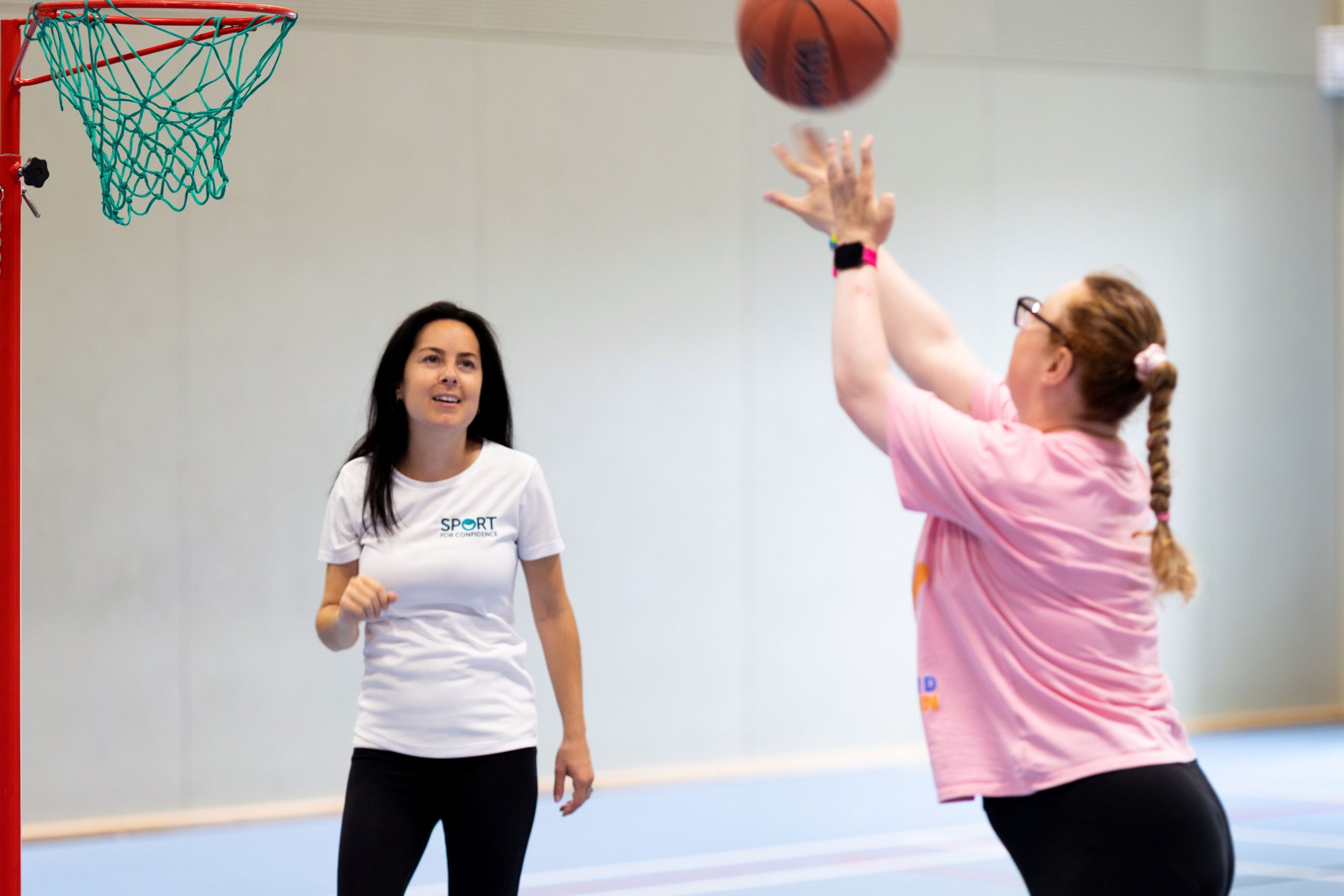
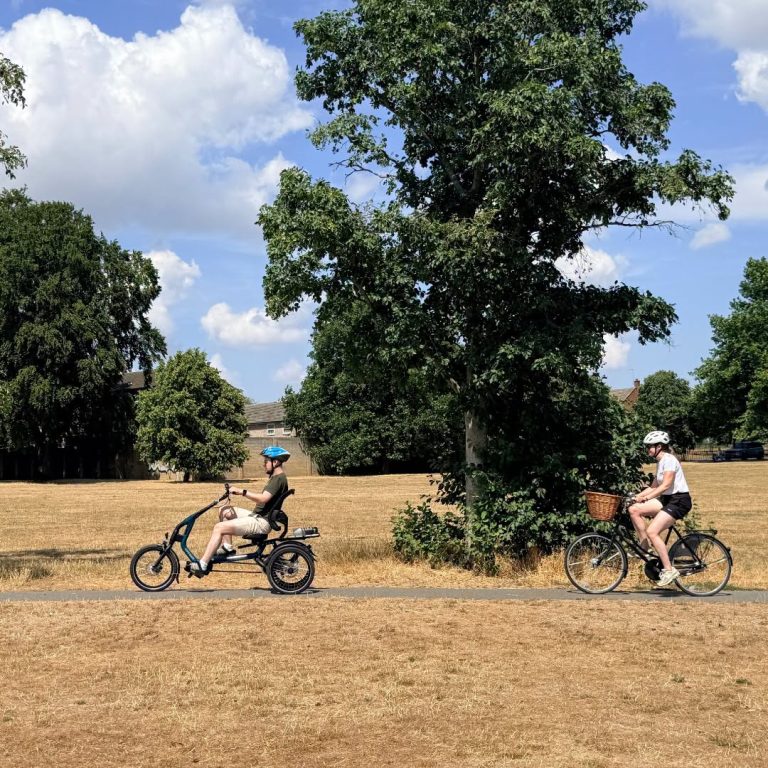
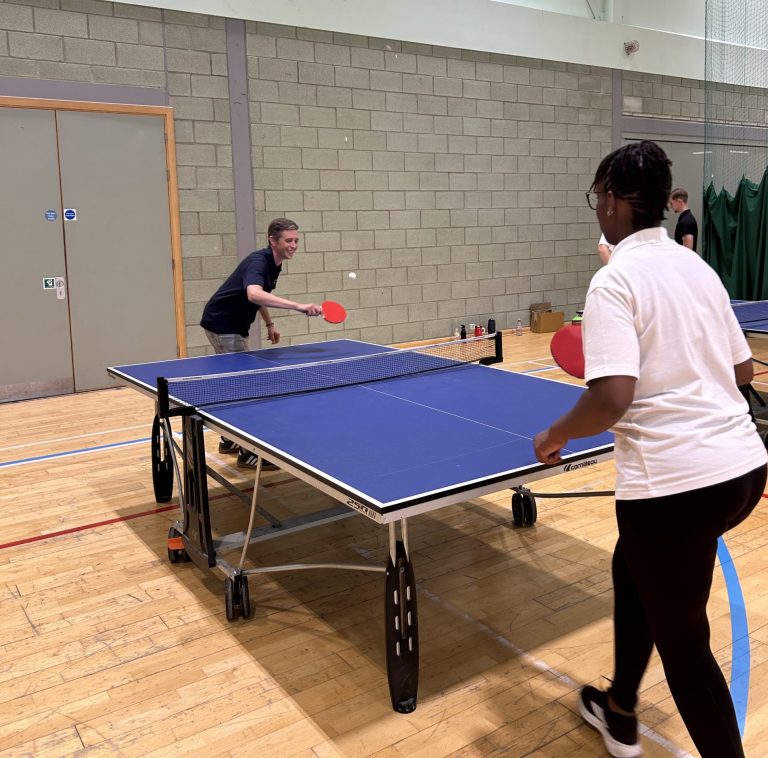
This has shaped how occupational therapists see their role, their confidence and their influence. Working in leisure centres, alongside coaches, activity staff and community partners, has highlighted how well occupational therapy fits outside traditional clinical environments.
Sport for Confidence itself began because Lyndsey Barrett was willing to test her role in a leisure centre, at a time when occupational therapy was rarely visible in that space. That willingness to try something different has continued to shape the organisation’s approach to workforce and professional identity.
The sport and leisure sector works well for OT and had felt refreshing for many occupational therapists. These environments are often less dominated by the medical model and more grounded in participation, strengths, enjoyment and community connection. Many leisure and sport organisations hold social values that align closely with occupational therapy, particularly around inclusion, access and reducing inequalities.
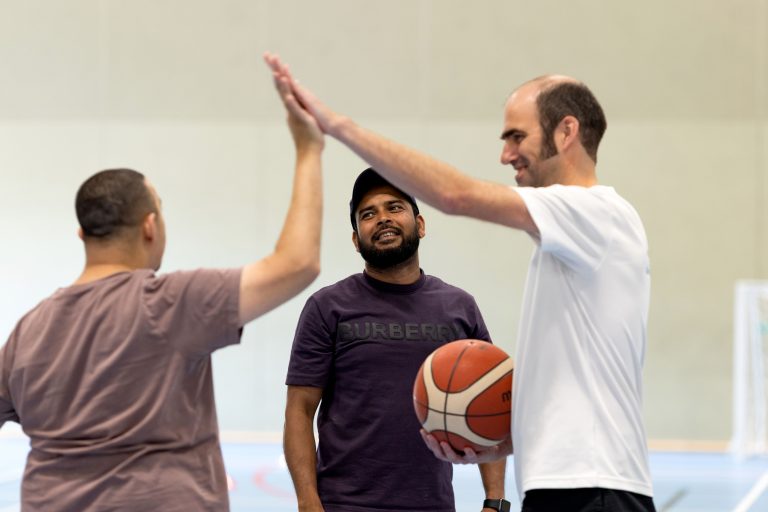
The usual hierarchy seen in health settings is often absent. Occupational therapists work alongside coaches, instructors and peer advocates as equals within a wider team. Having coaching expertise as part of the multidisciplinary mix has brought a different energy to practice. It is practical, creative and often fun, without losing purpose or impact.
In these spaces, occupational therapy does not need to fight for legitimacy in the same way. The focus on what people can do, want to do and enjoy doing fits naturally.
Can you give us an example of your workforce planning in action and how is it was delivered:
At Sport for Confidence, social transformation happens when occupational therapists work across individuals, communities, organisations and wider systems. They are encouraged to see influencing, networking and relationship-building as legitimate parts of their role, not add-ons.
This includes:
· Working with leisure centre managers and coaches to shape inclusive environments.
· Contributing to local and national partnerships focused on physical activity, health and wellbeing.
· Engaging with system conversations where sport is already being positioned as part of prevention and population health.
OTs work closely with peer advocates, coaches and community partners. This is not always straightforward. It can be messy and slow, and it requires sharing space and influence rather than holding it. However, it allows occupational therapy to shape services and systems in ways that go beyond individual intervention.
Over time, this way of working has helped build confidence in the OT role. Practitioners are supported to trust the value they bring, not only in working with individuals, but in shaping services and systems around them. In our experience, that confidence is crucial. OTs need to know and feel their value in order to influence change.
Who have you worked with to deliver this workforce transformation?
Mainly the sport and leisure sector who are increasingly being asked to play a role in health, wellbeing and reducing inequalities. Many organisations already have strategies focused on social transformation through inclusion, community connection and partnership with health.
For occupational therapists, this creates opportunity. Active partnerships, local physical activity strategies and health link roles often already exist. Finding like-minded people is rarely difficult once OTs start looking beyond traditional settings.
Workforce planning in this context has been less about creating new roles on paper, and more about giving OTs permission to step into these spaces, test their role, and learn through doing. We can work across systems without losing identity.
From your experience, what advice would you give to others about workforce planning?
Based on this experience, we would encourage occupational therapists to consider the sport and leisure world as a legitimate and rewarding place to practise.
Some reflections:
· Do not assume occupational therapy does not belong in leisure or sport settings. It often fits more naturally than expected.
· Look for existing active partnerships and health-focused strategies within local sport and leisure systems.
· Find out who the health or wellbeing link is and start conversations.
· Expect to feel uncertain at first; confidence grows through practice, not permission.
· Remember that someone had to be brave first. Lyndsey tested her OT role in a leisure centre. There is no reason others cannot do the same.
This matters because as the profession looks to prevention, population health and reducing inequalities, new spaces for occupational therapy are essential. The leisure and sport sector offers one such space, where occupational therapists can thrive, influence systems and practise in ways that feel aligned with professional values.
This experience sits alongside the wider ambitions of the Royal College of Occupational Therapists, offering a practical example of how confidence, bravery and professional identity can be supported when occupational therapists are encouraged to step beyond traditional boundaries.